- Fastening
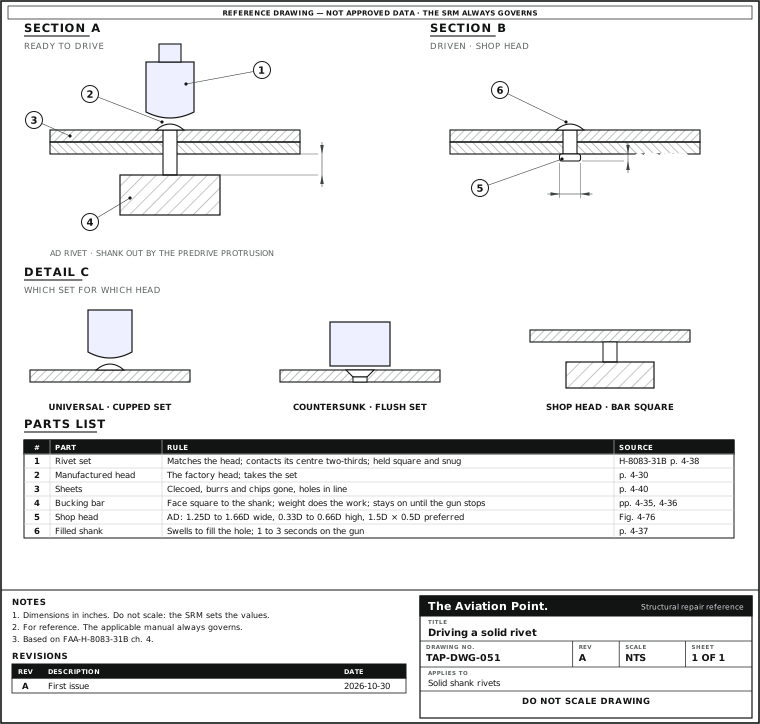 RivetingStandard practices
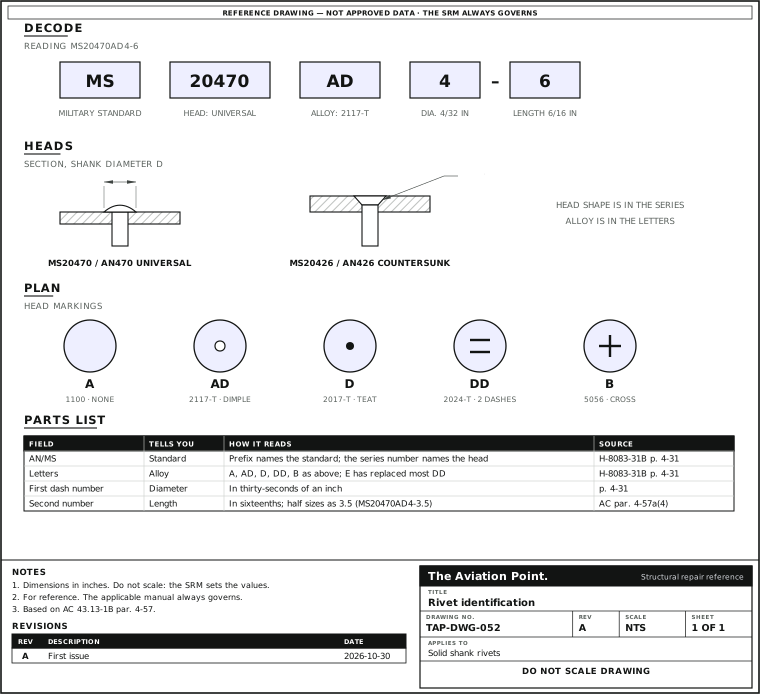 Rivet identificationStandard practices
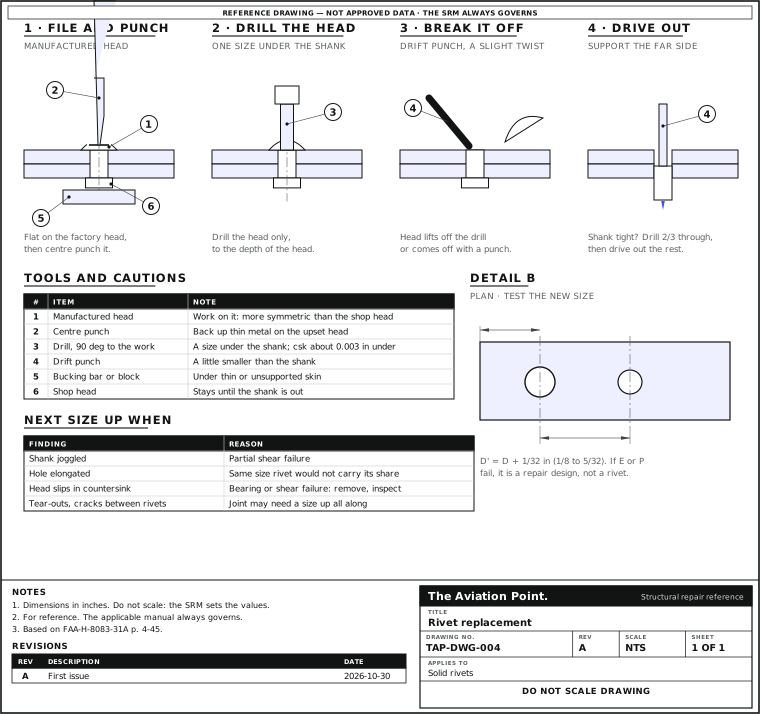 Removing a rivetStandard practices
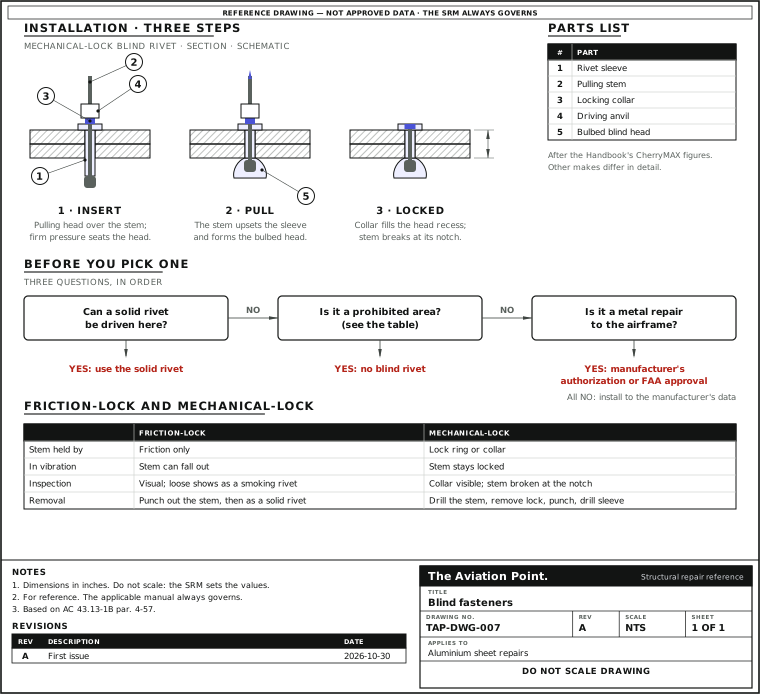 Blind rivetsStandard practices
 Hi-Lok installationStandard practices
- Holes
 Drilling a holeStandard practices
 DeburringStandard practices
 CountersinkingStandard practices
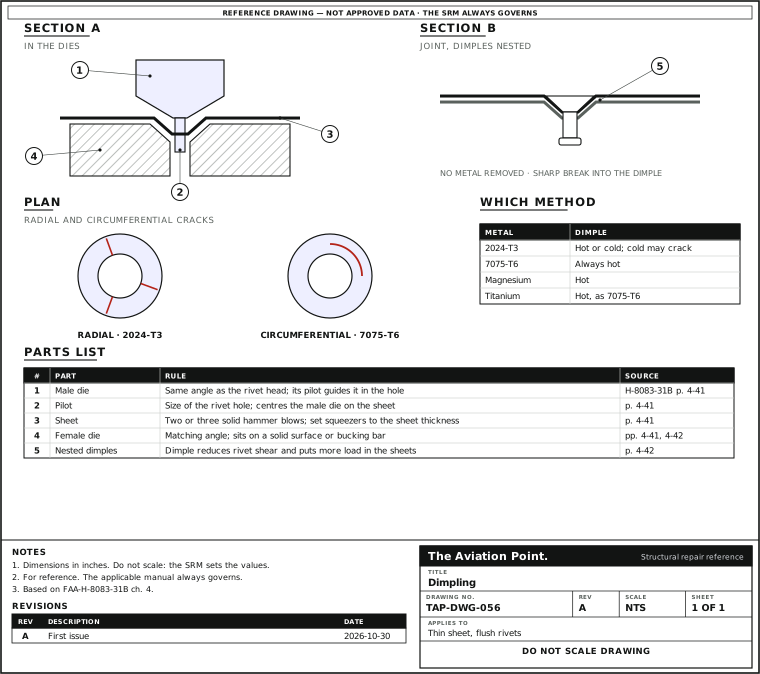 DimplingStandard practices
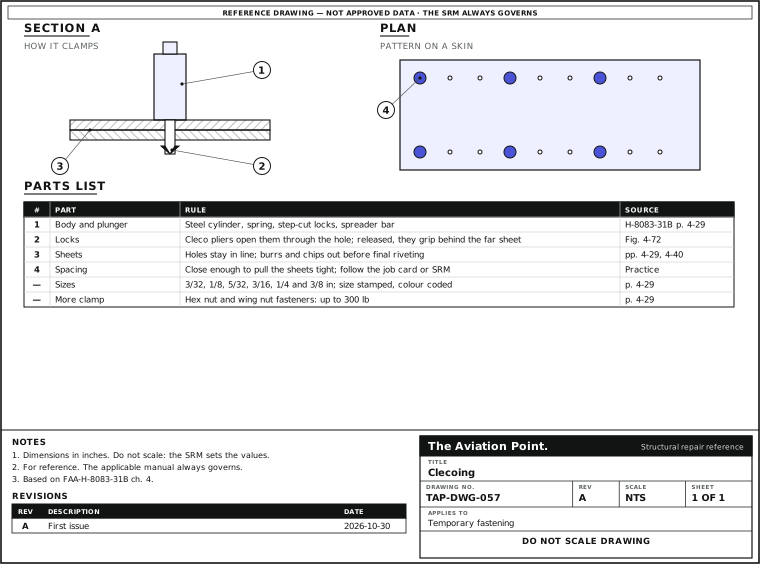 ClecoingStandard practices
- Forming
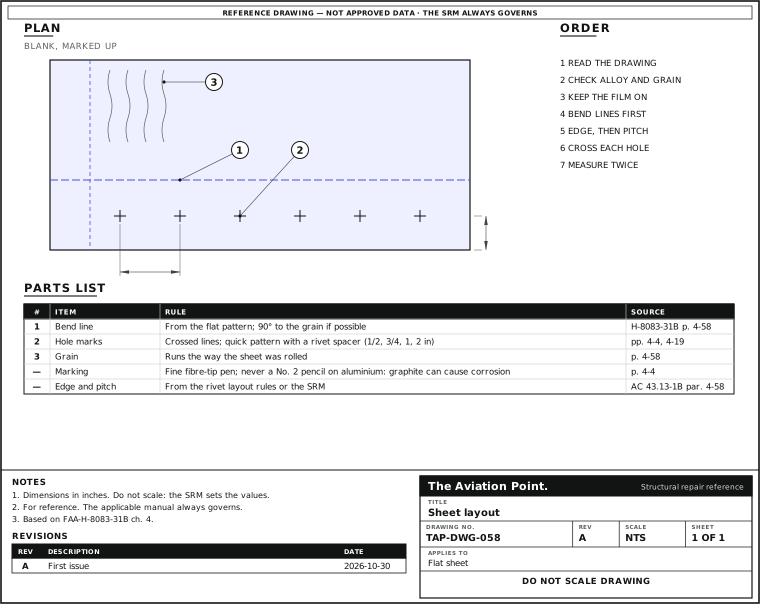 Sheet layoutStandard practices
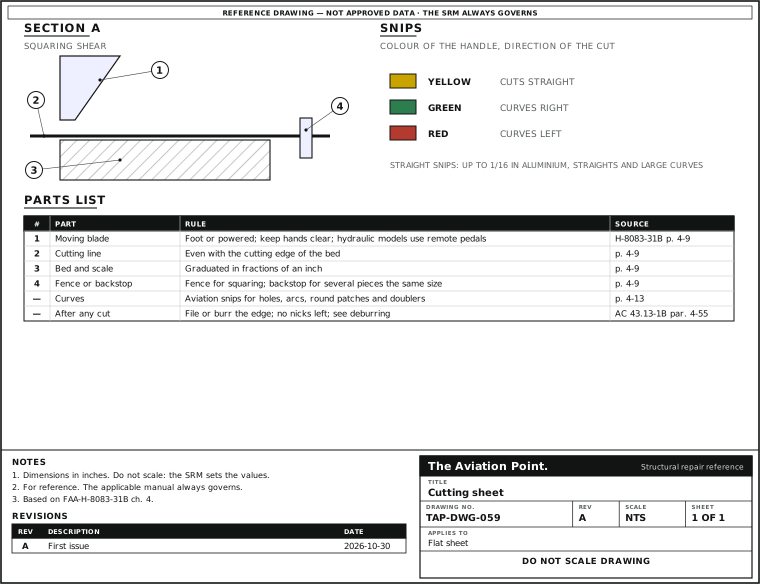 Cutting sheetStandard practices
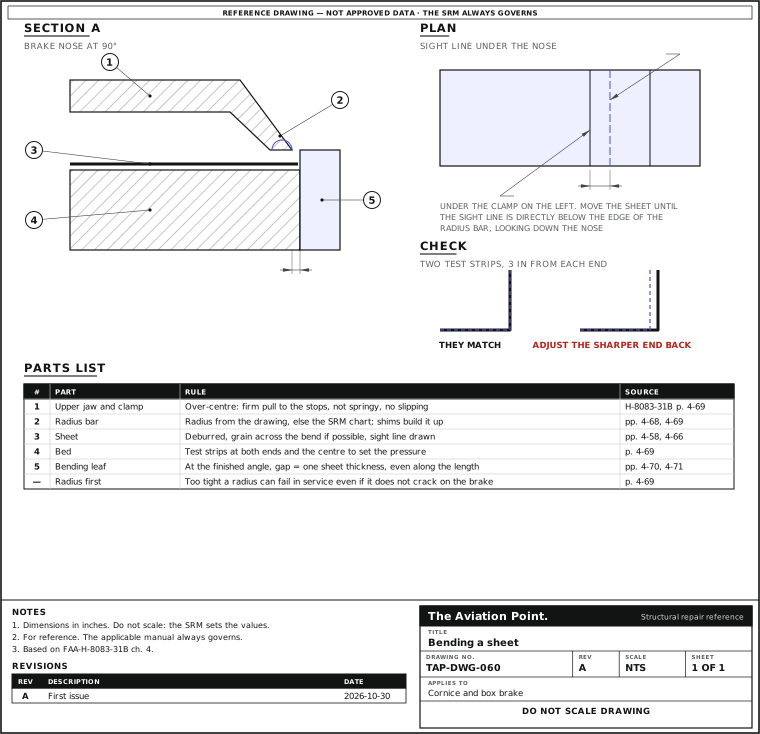 Bending a sheetStandard practices
- Hardware
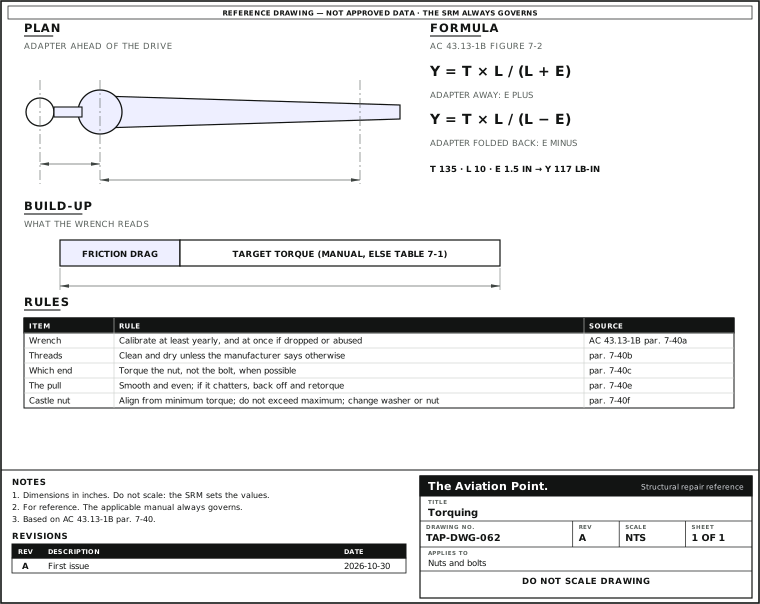 TorquingStandard practices
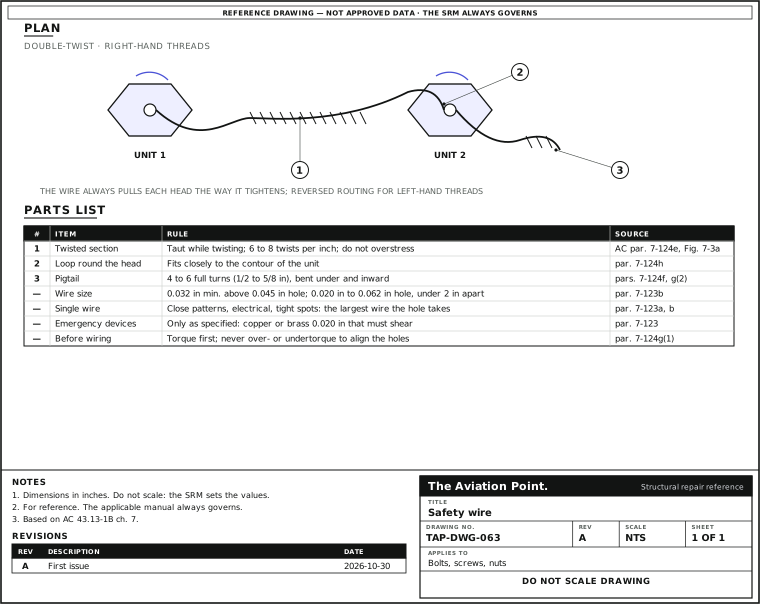 Safety wireStandard practices
- Using tools
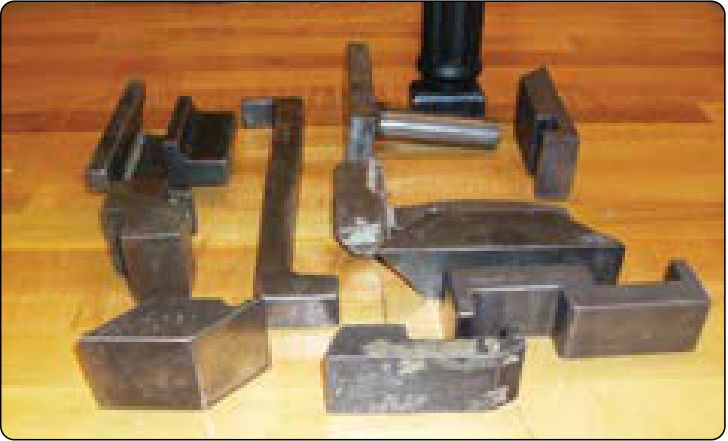 Bucking barStandard practices
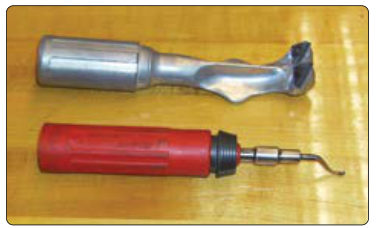 Deburring toolStandard practices
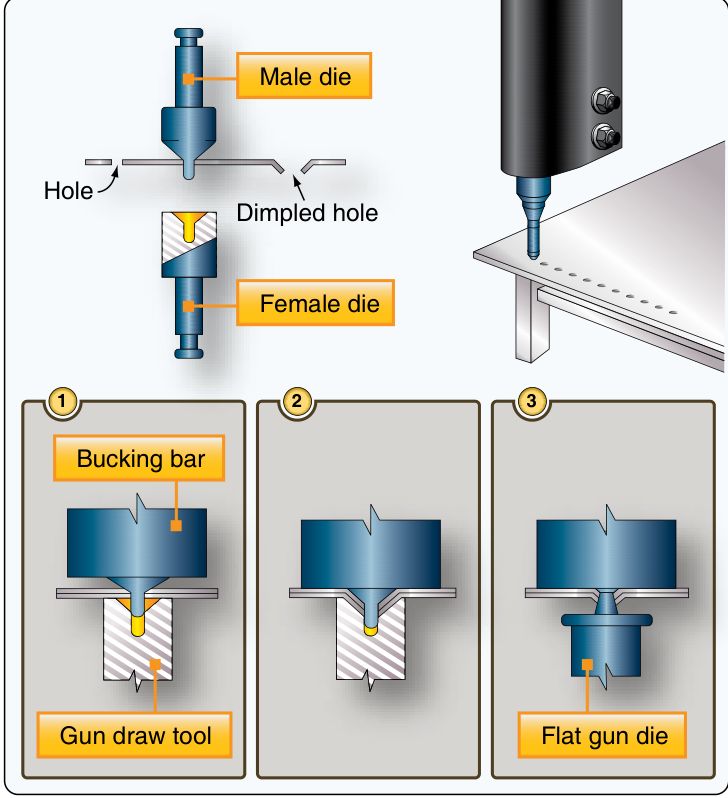 Dimple diesStandard practices
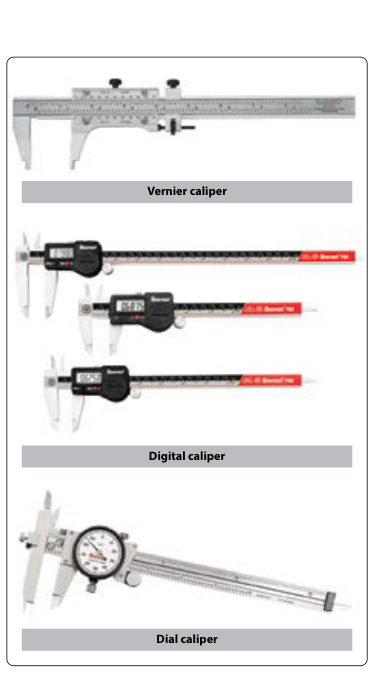 Depth gaugeStandard practices
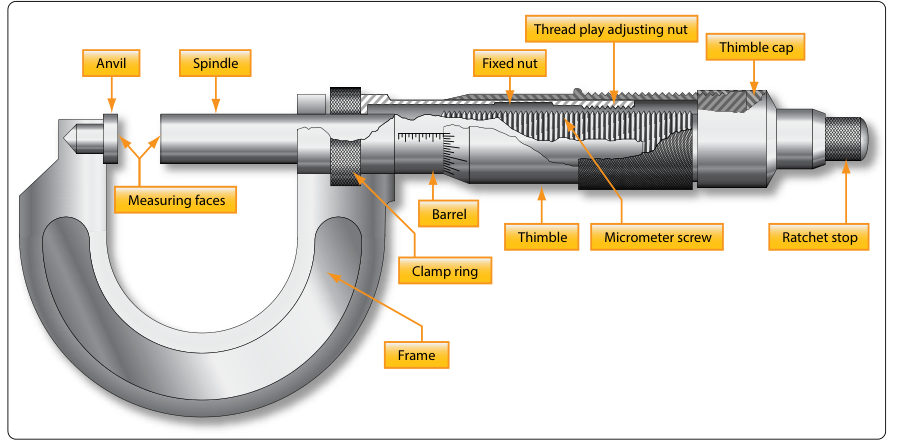 MicrometerStandard practices
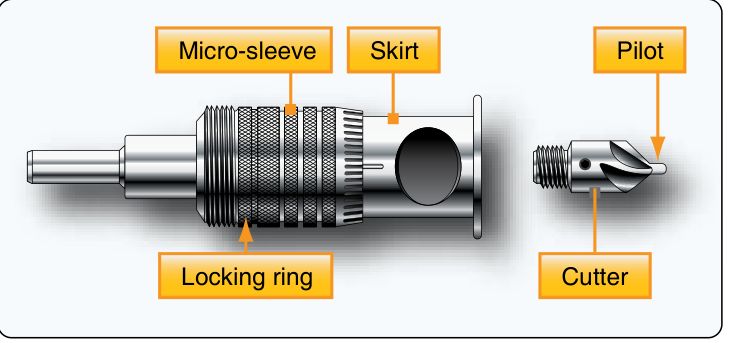 Countersink cageStandard practices
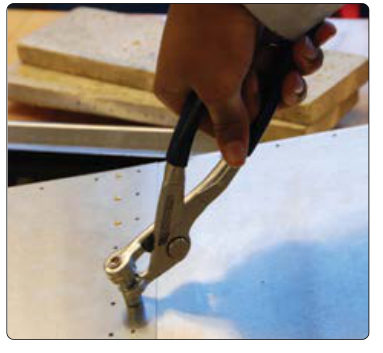 Cleco pliersStandard practices
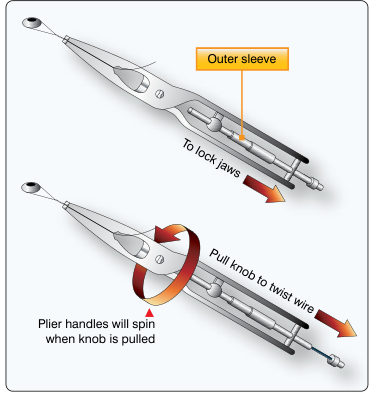 Safety wire pliersStandard practices
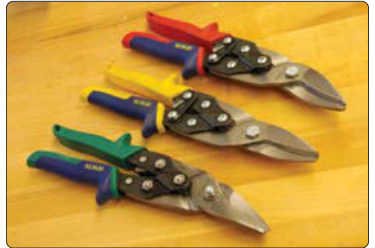 Hand and pneumatic shearsStandard practices
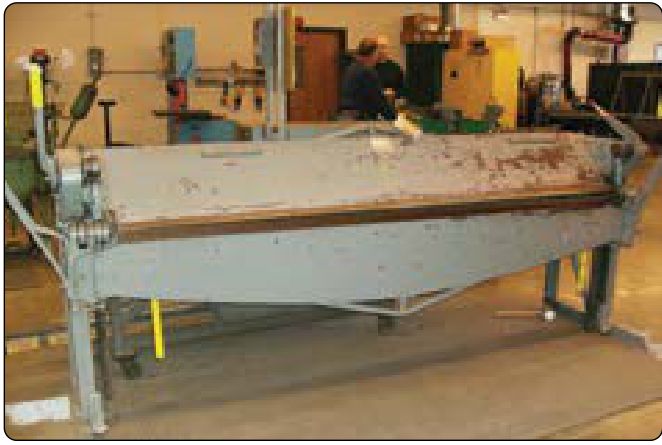 Bending brakeStandard practices
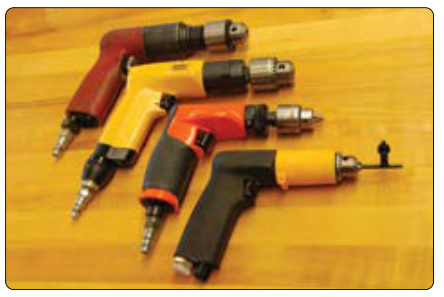 Drill and drill motorsStandard practices
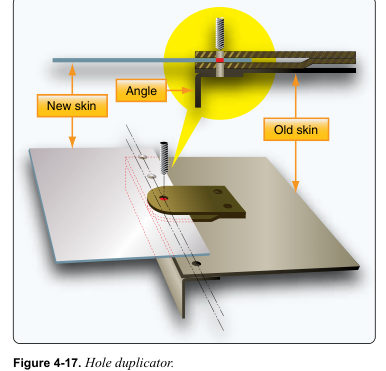 Hole finderStandard practices
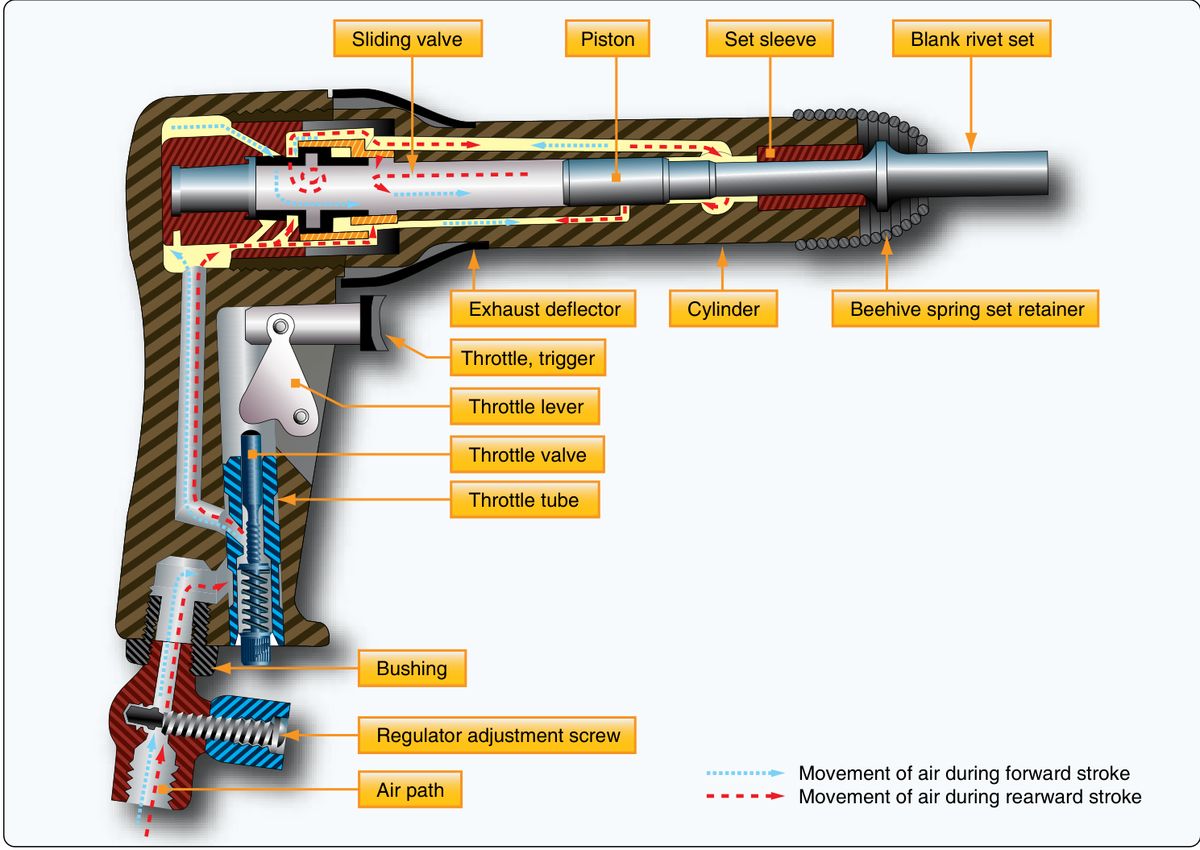 Rivet gunStandard practices
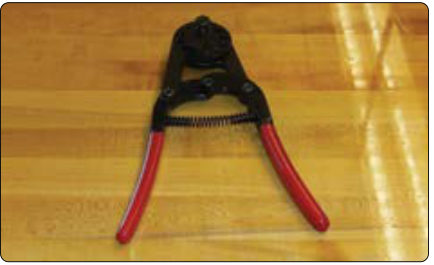 Rivet cuttersStandard practices
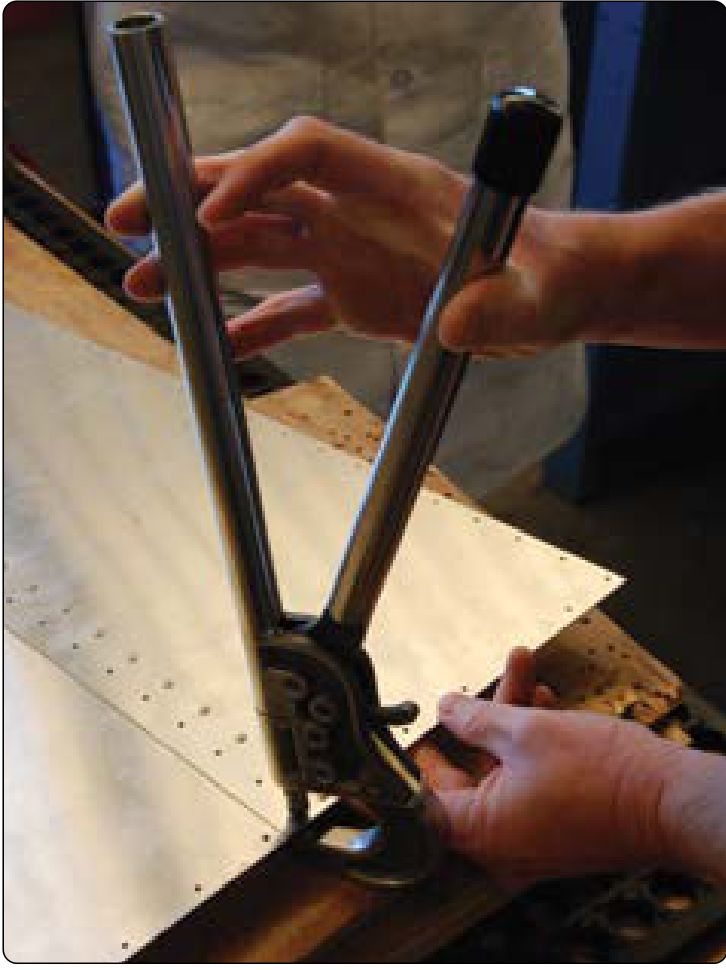 Rivet squeezerStandard practices
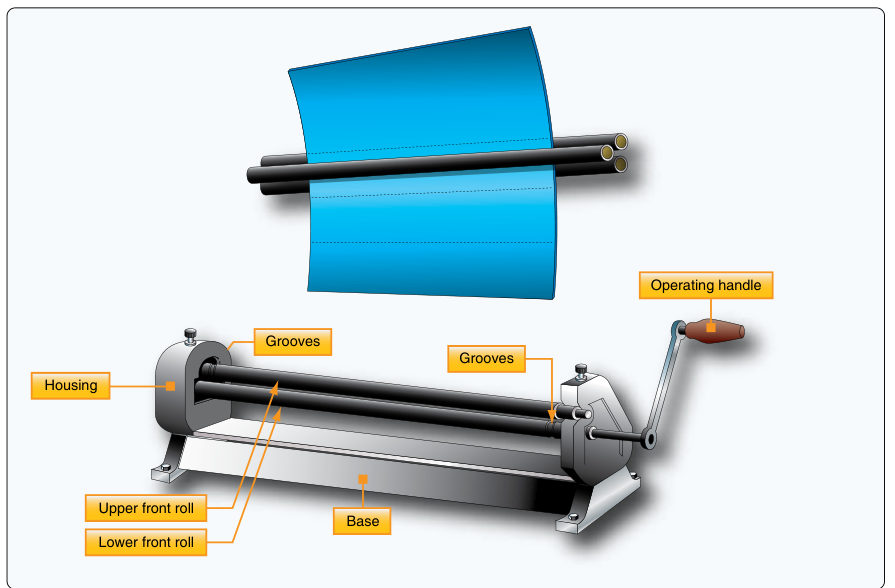 Slip rollStandard practices
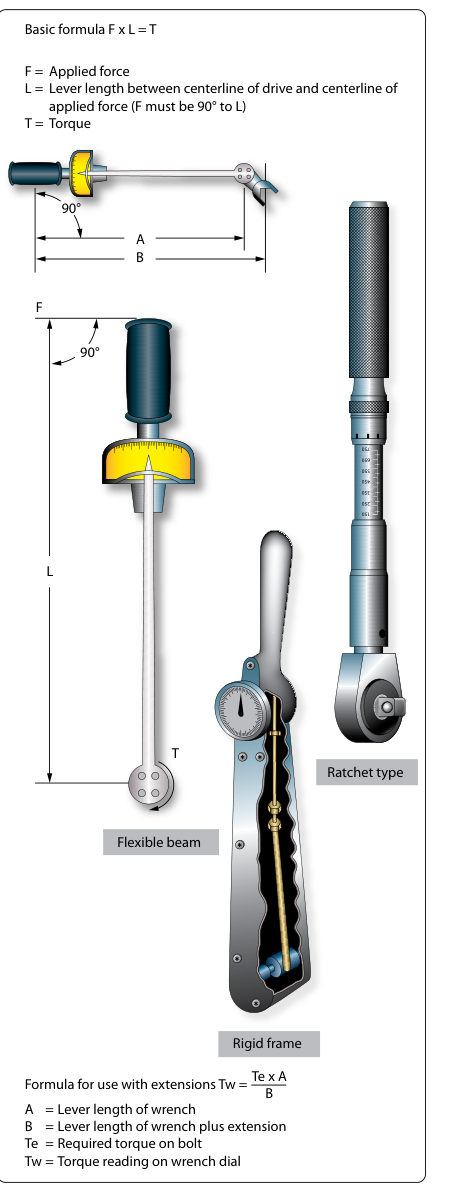 Torque wrenchStandard practices
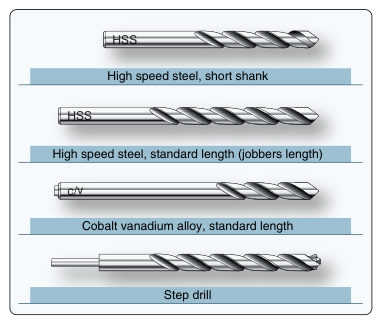 Hole saw and step drillStandard practices
Nothing matches these filters. Clear them or try the site search (⌘K).
How to Rivet: Setting a Solid Rivet at the Bench
A solid rivet is set from two sides. The gun hammers the manufactured head through a set; the bucking bar pushes back on the shank and forms the shop head. The rivet swells to fill the hole. Almost every bad rivet comes from the hole, the wrong tool, or a bar or set that was not square.
Standard practiceUpdated 2026-10-30
In this chapter
Distributors coming soon.
Services on The Aviation Point
Rivet identificationRivet Shop Head InspectionRivet Inspection GuideRivet Length Calculator
Rivet Identification: Heads, Markings and Part Numbers
A rivet tells you what it is three ways: the shape of the head, the mark on it, and the part number on the box. The mark is on the manufactured head only. Once you can read these, you can match a replacement before you drill anything.
Standard practiceUpdated 2026-10-30
Distributors coming soon.
Services on The Aviation Point
RivetingRivet Length CalculatorRivet Alloy & Icebox CheckRivet Shop Head Inspection
Removing a Rivet Without Spoiling the Hole
Done well, the same size rivet goes back in the same hole. Done badly, you need the next size up, and the joint may not have the edge distance for it. Work from the manufactured head: it sits truer on the shank than the shop head.
Standard practiceUpdated 2026-10-30
In this chapter
Distributors coming soon.
Services on The Aviation Point
Rivet replacementRivet Replacement in an Enlarged HoleRivet Inspection GuideEdge distance
Installing a Blind Rivet
A blind rivet goes in from one side. The tool pulls the stem, the stem forms the blind head and clamps the sheets, then the stem breaks off. The blind fasteners guide covers where they may be used. This page is the pull itself.
Standard practiceUpdated 2026-10-30
In this chapter
Distributors coming soon.
Services on The Aviation Point
Blind fastenersCherry Pulling Head SelectorCherryMAX Grip SelectorWhat Drill or Reamer for This Part…
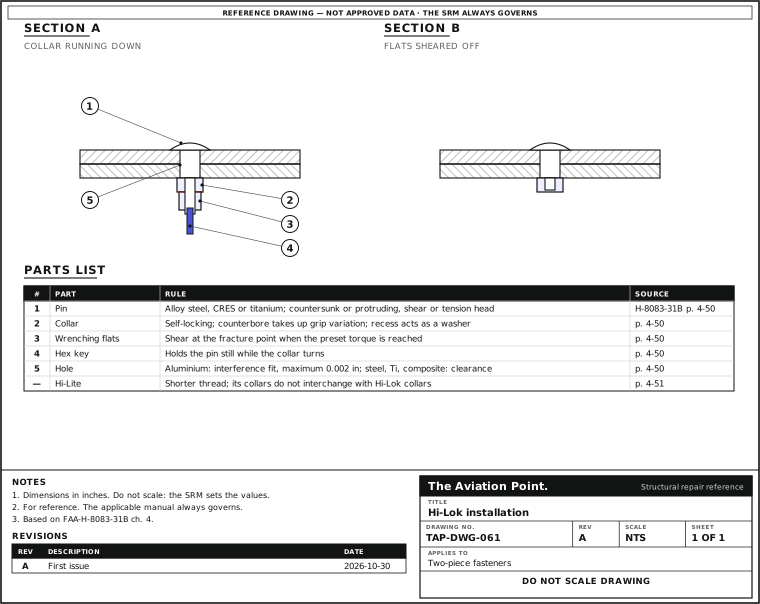
Installing a Hi-Lok
A Hi-Lok is a threaded pin and a collar. A hex key holds the pin while a tool turns the collar. At a preset torque the wrenching flats shear off, so it cannot be overtorqued and needs no torque check afterwards. The hole decides the job.
Standard practiceUpdated 2026-10-30
In this chapter
Distributors coming soon.
Services on The Aviation Point
Drilling a holeHi-Lok SelectorWhat Drill or Reamer for This Part…
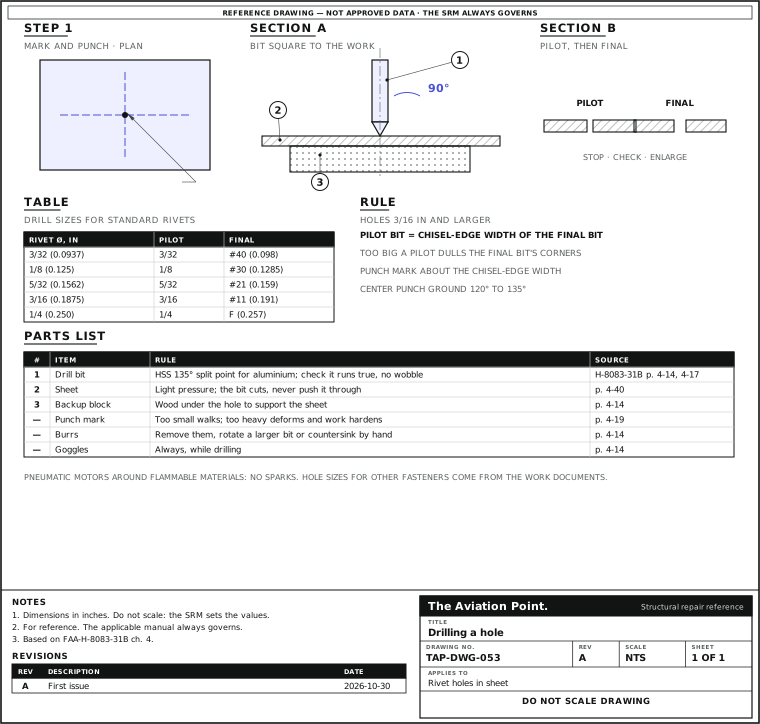
Drilling a Hole: Pilot, Final, Square
The hole decides the rivet. Too small and the rivet's coating scrapes off on the way in; too large and the rivet never fills it, so the joint does not reach full strength. The work is simple: mark it, punch it, pilot it, finish it, and hold the drill square the whole way.
Standard practiceUpdated 2026-10-30
In this chapter
Distributors coming soon.
Services on The Aviation Point
DeburringDrill SpeedWhat Drill or Reamer for This Part…AN Bolt Hole Drill Size
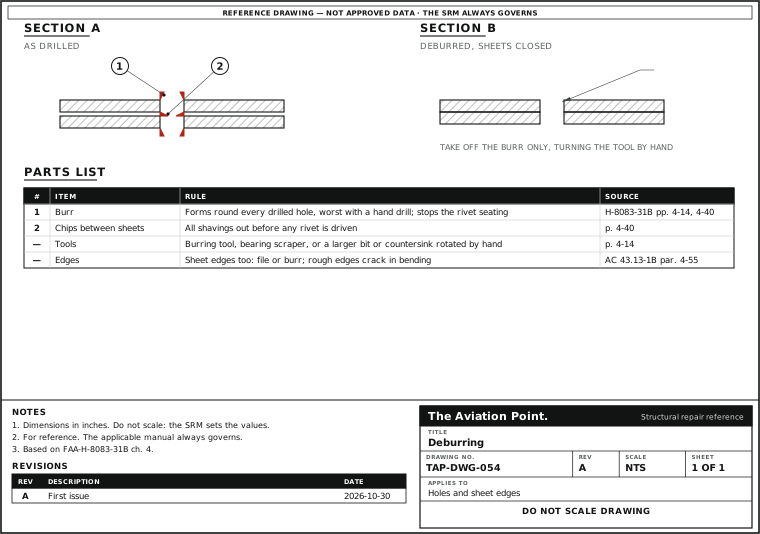
Deburring Holes and Edges
Every drilled hole has a small burr on its rim. Left there, it holds the sheets apart and stops the rivet or bolt fitting snugly. Taking it off takes seconds and is what separates a tight joint from a loose one.
Standard practiceUpdated 2026-10-30
In this chapter
Distributors coming soon.
Services on The Aviation Point
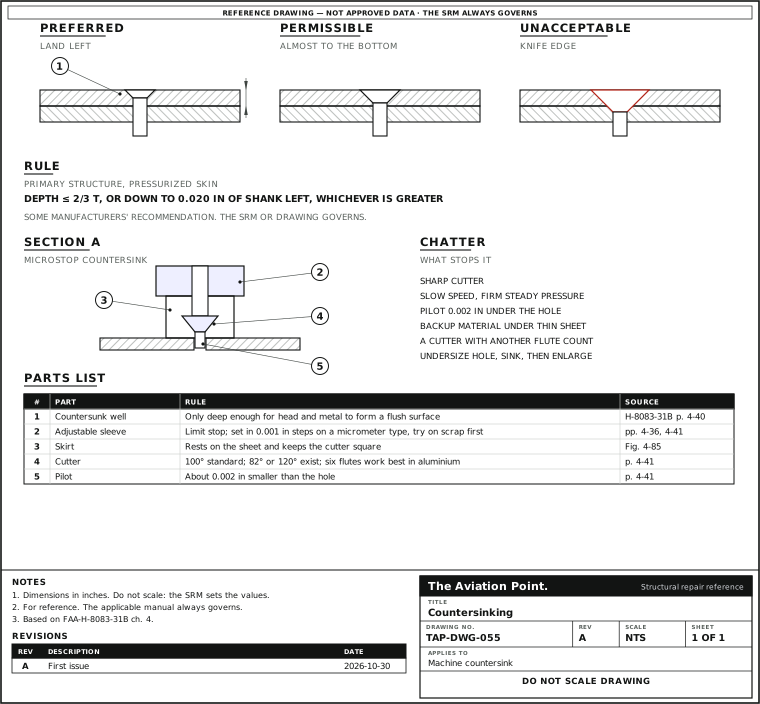
Countersinking: Cutting the Well for a Flush Rivet
A countersink cuts a cone so a flush head sits level with the skin. Cut too little and the head stands proud; cut too deep and you leave a knife edge that has caused fatigue cracks in pressurized skin. The sheet has to be thick enough: if it is not, you dimple instead.
Standard practiceUpdated 2026-10-30
Distributors coming soon.
Services on The Aviation Point
DimplingCountersink or Dimple?Microstop Countersink Cage SettingWhat Drill or Reamer for This Part…
Dimpling: Flush Rivets in Thin Sheet
When the sheet is too thin to countersink, you form it instead. A male and a female die press a cone round the hole, no metal is removed, and the dimples of the sheets nest together. The risk is cracking, and it depends mainly on the alloy.
Standard practiceUpdated 2026-10-30
In this chapter
Distributors coming soon.
Services on The Aviation Point
Clecoing: Holding Sheets While You Work
A cleco is a temporary fastener that keeps drilled holes in line and the sheets tight until the rivet goes in. It is reusable, sized by the hole, and quick. A sheet riveted without being held tight ends up with gaps.
Standard practiceUpdated 2026-10-30
In this chapter
Distributors coming soon.
Services on The Aviation Point
Sheet Layout: Marking Before You Cut
Everything on the part goes on the flat sheet first. Good layout means one cut. The two rules that catch people: never use a pencil on aluminium, and check the grain before you draw a bend line.
Standard practiceUpdated 2026-10-30
In this chapter
Distributors coming soon.
Services on The Aviation Point
Cutting sheetRivet Edge Distance CalculatorRivet Spacing & Pitch CalculatorSplice Rivet Calculator
Cutting Sheet: Shear, Snips and a Clean Edge
A squaring shear gives straight, square blanks. Snips cut curves. Whatever you use, the edge is not finished until the burrs and nicks are gone, because that edge is where a crack can start.
Standard practiceUpdated 2026-10-30
In this chapter
Distributors coming soon.
Services on The Aviation Point
Bending a Sheet on the Brake, Step by Step
The numbers come first: radius, setback and bend allowance, in the bending guide. This page is what happens at the brake. Three settings must be right before the sheet goes in: the radius bar, the clamp pressure and the nose gap. Any change of thickness or radius means setting them again.
Standard practiceUpdated 2026-10-30
In this chapter
Distributors coming soon.
Services on The Aviation Point
BendingBend Allowance & Flat Pattern CalculatorJoggle Allowance Calculator
Torquing Nuts and Bolts
Too little torque wears the parts; too much overstresses the threads. The Advisory Circular's procedure is short, and its key step is often missed: measure the friction drag and add it to the target torque. If you use an adapter, the wrench reading changes too.
Standard practiceUpdated 2026-10-30
In this chapter
Distributors coming soon.
Services on The Aviation Point
Safety wireBolt Grip Length & Washer CalculatorAN Bolt Hole Drill SizeTorque by Part Number
Safety Wiring Bolts and Screws
Safety wire does not make torque; it stops a part backing off. The wire must pull each fastener in the tightening direction, so if one tries to loosen, the wire tightens. Everything else is neatness that keeps the wire from breaking.
Standard practiceUpdated 2026-10-30
Distributors coming soon.
Services on The Aviation Point
How to Choose and Use a Bucking Bar
The bucking bar is the quiet half of riveting. It is a heavy piece of steel whose counter-vibration lets the gun form the shop head. Choose it by shape first, weight second, and hold it square.
GuideUpdated 2026-10-30
In this chapter
Choosing the barStep by stepTypical mistakesCareQuick check…
Distributors coming soon.
Services on The Aviation Point
Standard practicesRivet shop head inspectionRivet Inspection GuideRivet Length Calculator
How to Deburr Holes and Edges
Drilling and cutting always leave burrs. A burr under a rivet stops the sheets seating and can scratch the rivet; remove it by hand, on both sides, before you rivet.
GuideUpdated 2026-10-30
In this chapter
Distributors coming soon.
Services on The Aviation Point
How to Dimple Sheet Metal with Dimple Dies
Dimpling presses a cone into the sheet around a rivet hole so a flush rivet head sits in it. It removes no metal, and it is the method for sheet too thin to countersink.
GuideUpdated 2026-10-30
In this chapter
Distributors coming soon.
Services on The Aviation Point
How to Measure Depth with a Gauge or Caliper
Depth is measured with a depth micrometer, the depth rod on a slide caliper, or a dial indicator. All read in thousandths of an inch. The FAA handbooks describe the tools; the limit that matters, such as a corrosion or blend-out depth, comes from the repair data.
GuideUpdated 2026-10-30
In this chapter
Distributors coming soon.
Services on The Aviation Point
CountersinkingCountersink or Dimple?Microstop Countersink Cage SettingCorrosion blend-out calculator
How to Read and Use a Micrometer
A micrometer measures to a thousandth of an inch, and with a vernier scale to ten-thousandths. The outside micrometer is the one the mechanic uses most: sheet thickness, drill diameter, shaft diameter.
GuideUpdated 2026-10-30
In this chapter
Distributors coming soon.
Services on The Aviation Point
How to Set Up and Use a Microstop Countersink
A microstop countersink is a cutter held in an adjustable cage: the cage rests on the sheet and stops the cut at the depth you set. Set it on scrap, cut once, check the rivet sits flush.
GuideUpdated 2026-10-30
In this chapter
Distributors coming soon.
Services on The Aviation Point
CountersinkingCountersink or Dimple?Microstop Countersink Cage Setting
How to Use Cleco Pliers and Clecos
A cleco is a spring-loaded temporary fastener that holds drilled sheets aligned while you drill and rivet. Special pliers fit all six sizes. Get the size right and keep the holes aligned.
GuideUpdated 2026-10-30
In this chapter
Distributors coming soon.
Services on The Aviation Point
How to Use Safety Wire Pliers
Safety wire locks a bolt, nut or screw so that any tendency to loosen is met by the wire tightening. Wire twisters make the job easier on the hands and give an even twist and a taut wire.
GuideUpdated 2026-10-30
In this chapter
Distributors coming soon.
Services on The Aviation Point
How to Use Snips, Shears and Nibblers on Sheet Metal
Choose the cutter by the shape of the cut and the thickness of the sheet. Snips for light stock and curves, shears for straight lines and squaring, a nibbler for tight work.
GuideUpdated 2026-10-30
In this chapter
Distributors coming soon.
Services on The Aviation Point
How to Use a Cornice and Box-and-Pan Brake
A brake bends sheet along a straight line between a clamping bar and a bending leaf. The bend comes out less than you set it, because metal springs back, so set a little over.
GuideUpdated 2026-10-30
In this chapter
Distributors coming soon.
Services on The Aviation Point
Bending a sheetBend Allowance & Flat Pattern CalculatorJoggle Allowance Calculator
How to Use a Drill Motor for Rivet Holes
A good hole is round, straight and burr-free. The drill motor only has to do three things: stay square to the work, run at the right speed, and be allowed to cut without pushing.
GuideUpdated 2026-10-30
Distributors coming soon.
Services on The Aviation Point
Drilling a holeDrill SpeedWhat Drill or Reamer for This Part…AN Bolt Hole Drill Size
How to Use a Hole Finder
A hole finder (hole duplicator) copies the position of a hole in old structure onto a new patch or skin. Its peg goes in the old hole, you drill through the bushing on the other leg, and the new hole lands right on top.
GuideUpdated 2026-10-30
In this chapter
Distributors coming soon.
Services on The Aviation Point
Drilling a holeDrill SpeedWhat Drill or Reamer for This Part…AN Bolt Hole Drill Size
How to Use a Pneumatic Rivet Gun
A rivet gun is an air-driven hammer: the piston strikes the rivet set, the bucking bar on the other side holds, and the rivet swells into a shop head. Most of the skill is three things: power set on wood, the right set, and a slow start in one continuous burst.
GuideUpdated 2026-10-30
Distributors coming soon.
Services on The Aviation Point
Standard practicesRivet lengthRivet shop head inspectionRivet Inspection Guide
How to Use a Rivet Cutter to Trim Rivets
When a rivet of the right length is not on the shelf, trim a longer one. The rotary cutter cuts it to length by the number of shims under the head.
GuideUpdated 2026-10-30
In this chapter
Distributors coming soon.
Services on The Aviation Point
Rivet identificationRivet Length CalculatorRivet Alloy & Icebox CheckRivet Shop Head Inspection
How to Use a Rivet Squeezer
A squeezer upsets the rivet by pressure instead of hammering. One jaw is stationary and acts as the bucking bar, the other moves and does the upsetting. It is quick and needs one operator, but it only reaches where the yoke can reach.
GuideUpdated 2026-10-30
Distributors coming soon.
Services on The Aviation Point
Standard practicesRivet lengthRivet Shop Head InspectionRivet Inspection Guide
How to Use a Slip Roll Former
A slip roll bends sheet into cylinders and other single-curvature shapes. Two front rolls grip and feed; the rear roll sets the curvature. There are no gauge marks for a given diameter, so you find the setting by trial.
GuideUpdated 2026-10-30
Distributors coming soon.
Services on The Aviation Point
How to Use a Torque Wrench Correctly
A torque wrench measures how hard you turn a nut or bolt. Pull smoothly, on the nut where you can, and change the setting if you add an extension. A reading is only as good as the wrench's last calibration.
GuideUpdated 2026-10-30
In this chapter
Distributors coming soon.
Services on The Aviation Point
TorquingTorque by Part NumberTorque Wrench Extension CalculatorAviation Unit Converter
Step Drills and Hole Saws for Larger Holes
Holes larger than a rivet hole are made in steps. A step drill combines the pilot and the enlarging drill in one tool; a hole saw, punch or fly cutter makes lightening holes and similar openings.
GuideUpdated 2026-10-30
In this chapter
Distributors coming soon.
Services on The Aviation Point
Drilling a holeDrill SpeedWhat Drill or Reamer for This Part…AN Bolt Hole Drill Size